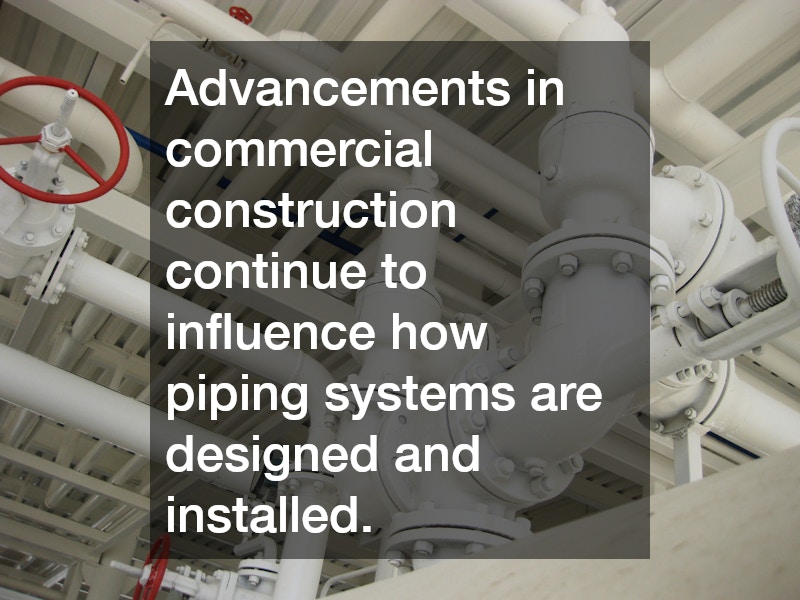
Commercial construction projects depend on precision, durability, and long-term reliability. Every component used in a building’s infrastructure must support safety standards while also contributing to efficient operation over time. From office towers and manufacturing plants to hospitals and retail facilities, modern commercial structures require extensive piping systems to manage water, gas, chemicals, and HVAC operations. These systems are responsible for maintaining daily functionality and ensuring the building can handle demanding operational requirements.
One critical element in these systems is the connection point between pipes. Secure connections help maintain pressure, prevent leaks, and allow systems to operate effectively under varying conditions.
In large-scale construction environments, even a minor weakness in a piping connection can lead to expensive repairs, downtime, and safety concerns. As a result, contractors and engineers place significant emphasis on selecting durable components that can withstand long-term use.
This is where flange pipe fittings play an important role in commercial construction. These components help create strong and accessible pipe connections that simplify maintenance while supporting overall system performance. Their adaptability and reliability make them a preferred choice in many industries where dependable infrastructure is essential. As commercial projects continue to grow in complexity, the importance of dependable pipe connection methods becomes even more apparent.
Supporting Large-Scale Plumbing Systems
Commercial buildings require advanced plumbing systems capable of handling high volumes of water and waste movement. Hotels, hospitals, office buildings, and industrial facilities often have extensive pipe networks running throughout multiple floors and sections of the property. These systems must operate continuously while maintaining consistent pressure and flow rates.
Strong pipe connections help ensure the plumbing system remains secure under daily demand. Connection points must resist corrosion, temperature fluctuations, and pressure changes that could otherwise weaken the system over time. Reliable components reduce the likelihood of leaks that may damage walls, flooring, or equipment.
In many projects, accessibility is also an important consideration. Maintenance teams need the ability to inspect and service piping systems without dismantling large sections of infrastructure. Removable pipe connections provide greater convenience during repairs or system upgrades. This flexibility can significantly reduce labor costs and downtime during maintenance procedures.
Enhancing HVAC Efficiency
Heating, ventilation, and air conditioning systems are essential in commercial properties because they regulate indoor comfort and air quality. These systems rely on complex piping networks to transport water, steam, or refrigerants throughout the building. The effectiveness of the HVAC system depends heavily on the integrity of these pipe connections.
Poorly connected pipes can create inefficiencies that reduce energy performance and increase operating costs. Air or fluid leaks may force equipment to work harder, leading to unnecessary wear and higher utility expenses. Secure connections help maintain system pressure and support efficient energy transfer across the building.
Commercial property owners are increasingly focused on sustainability and energy efficiency. Construction teams often seek materials and connection methods that contribute to lower energy consumption and reduced environmental impact. Durable piping systems can help buildings achieve long-term operational efficiency while supporting environmental goals.
Supporting Maintenance and System Expansion
Commercial buildings frequently undergo renovations, expansions, or system upgrades during their lifespan. Businesses may add new equipment, expand production capacity, or modernize infrastructure to meet changing operational needs. Flexible piping systems make these transitions more manageable.
One advantage of flange pipe fittings is their ability to simplify modifications and repairs. Because these connections can often be disassembled more easily than welded systems, maintenance teams can replace sections of pipe or install new components without extensive reconstruction. This adaptability is especially valuable in facilities where operational interruptions must be minimized.
Routine inspections also become more efficient when piping systems are designed with accessibility in mind. Maintenance crews can quickly identify worn components and address potential issues before they escalate into larger problems. Preventive maintenance helps extend the lifespan of the entire system while reducing unexpected repair costs.
The Future of Commercial Piping Infrastructure
Advancements in commercial construction continue to influence how piping systems are designed and installed. Modern projects increasingly incorporate smart building technology, energy-efficient systems, and sustainable construction practices. These innovations place greater demands on infrastructure reliability and adaptability.
As construction methods evolve, manufacturers continue improving the materials and engineering behind pipe connection systems. Enhanced corrosion resistance, stronger sealing capabilities, and improved manufacturing precision all contribute to more dependable performance. These improvements help commercial facilities operate more efficiently while supporting long-term durability.
Commercial construction relies on dependable infrastructure to support daily operations, occupant safety, and long-term building performance. Piping systems are among the most important components in modern facilities because they manage essential resources such as water, heating, cooling, and industrial materials. Reliable connections within these systems help maintain efficiency and reduce the risk of operational disruptions.
The use of flange pipe fittings continues to play a valuable role in helping construction professionals create durable and accessible piping systems. Their strength, flexibility, and serviceability make them suitable for a wide range of commercial applications, from office buildings to industrial plants. As building standards and technological demands continue to evolve, dependable pipe connection methods will remain a critical part of successful construction projects.
Investing in durable infrastructure contributes to safer buildings, lower maintenance costs, and improved operational reliability. By prioritizing quality piping components and thoughtful system design, commercial construction professionals can help ensure that buildings remain efficient and functional for many years to come.